Understanding the Impact of Storytelling on Tourism
In recent years, storytelling has emerged as a powerful tool in the tourism industry, offering unique ways to engage travelers. This article explores how narrative-driven experiences can enhance city tours and the overall impact on tourism.
Understanding the Basics of Storytelling in Tourism
Storytelling plays a crucial role in tourism by creating emotional connections between visitors and destinations. According to research published in the Journal of Travel Research, narratives can significantly enhance the appeal of a location by embedding cultural and historical significance into the experience. This approach works because it helps visitors relate to the context of their surroundings, making the experience more memorable.

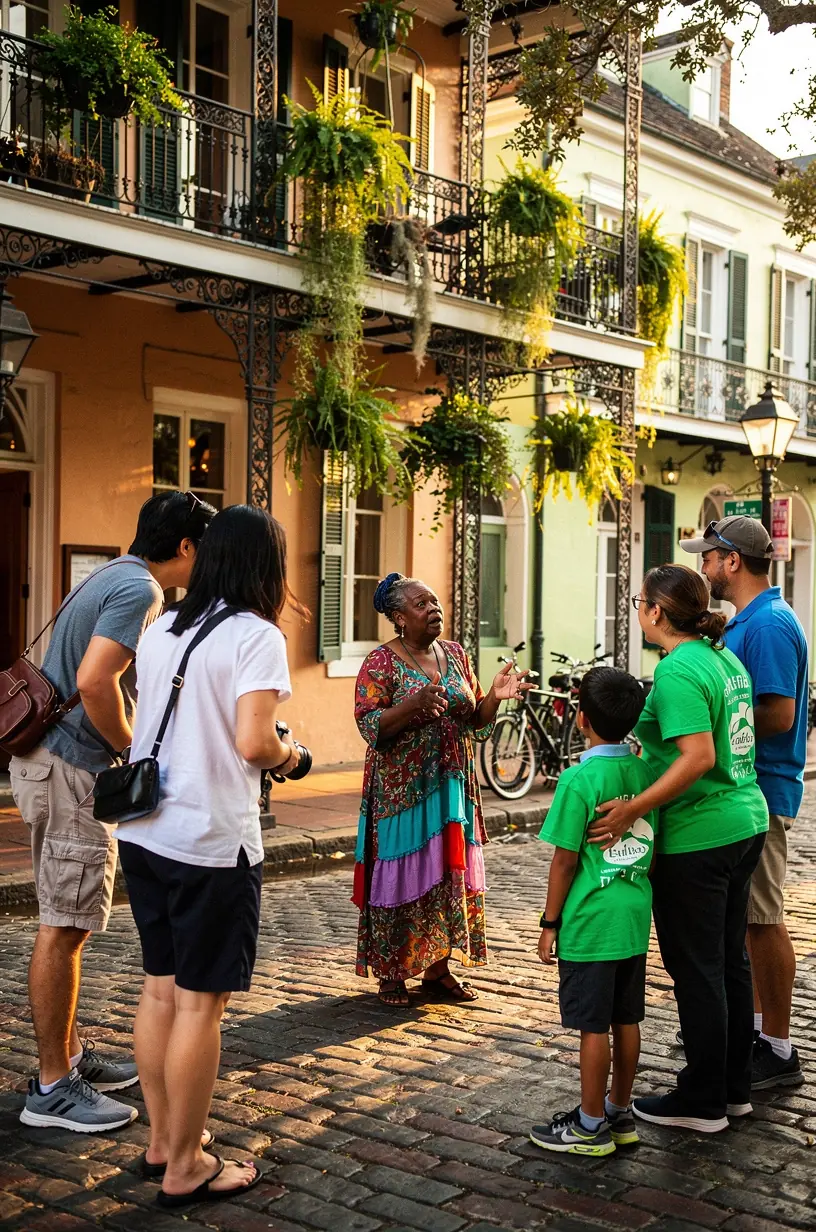
"Engaging storytelling can transform a standard tour into an immersive experience, leaving lasting impressions on visitors."
The Psychological Impact of Storytelling
Studies show that stories enhance retention and engagement; when people hear a story, they are more likely to remember the information conveyed. This is particularly relevant in tourism, where many travelers report that guided tours that incorporate storytelling often feel more enriching. The principle behind this is that stories activate emotional centers in the brain, which can lead to increased interest and involvement.
Practical Applications of Narrative-Driven Tours
- Many tour agencies are now implementing storytelling into their itineraries, often featuring local legends, historical anecdotes, or personal narratives from guides, which can enrich the visitor experience.
- However, creating compelling narratives requires effort; agencies typically spend time researching local histories and crafting stories that resonate with their audiences.
- Furthermore, it is essential to ensure that the narratives are authentic and respectful to the culture and history being represented, as this enhances credibility and fosters trust with visitors.
Challenges and Limitations
While storytelling can greatly enhance the tourism experience, it is not without its challenges. Developing these narrative-driven experiences typically requires a significant investment of time and resources. This process includes intensive training for guides, research into local stories, and constant updates to keep the narratives fresh and relevant. Additionally, it may not be suitable for all types of tours; some visitors may prefer a more straightforward, fact-driven approach, especially in historical contexts.
Conclusion
In conclusion, storytelling has a notable impact on tourism by transforming ordinary tours into extraordinary experiences. By understanding the psychological effects and practical applications of narrative-driven tours, agencies can create enriching experiences that travelers are likely to remember. As the industry continues to evolve, the integration of storytelling may become a standard practice for enhancing visitor engagement, making it an area worth exploring for tour providers across the US.