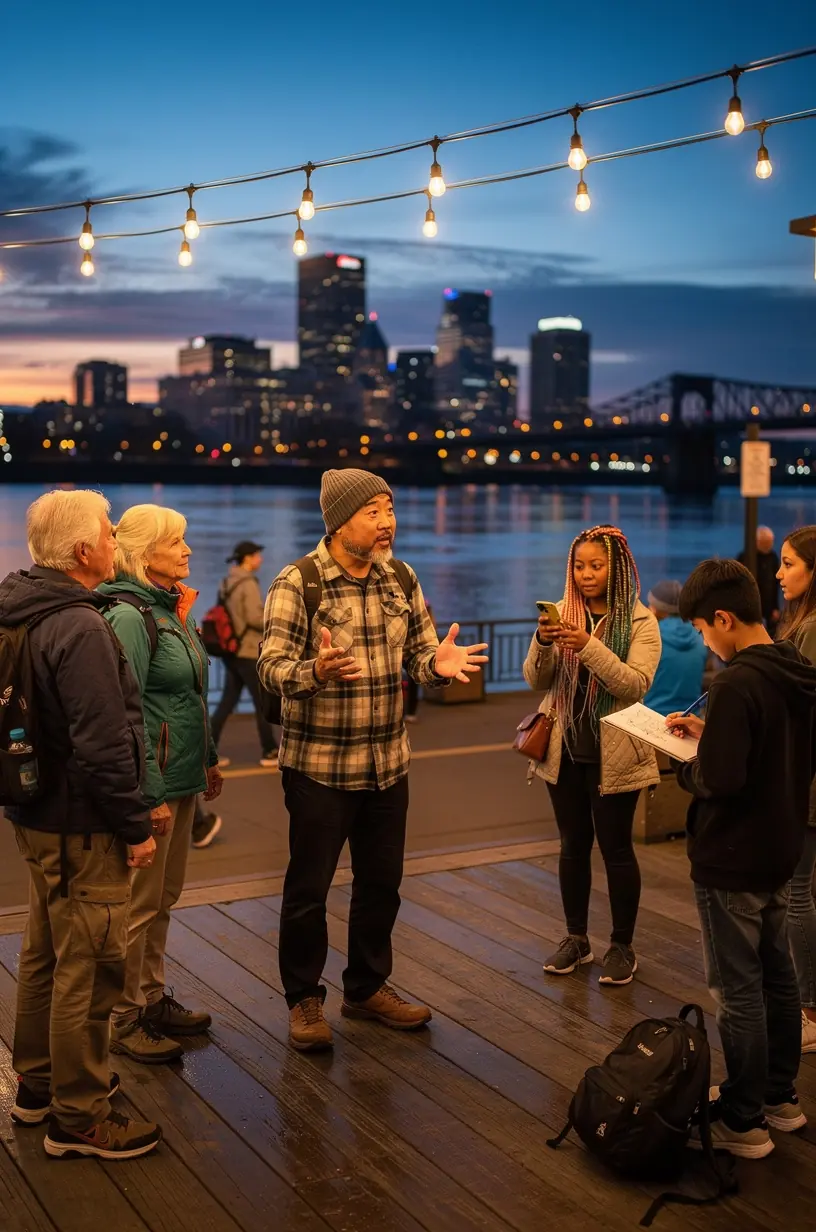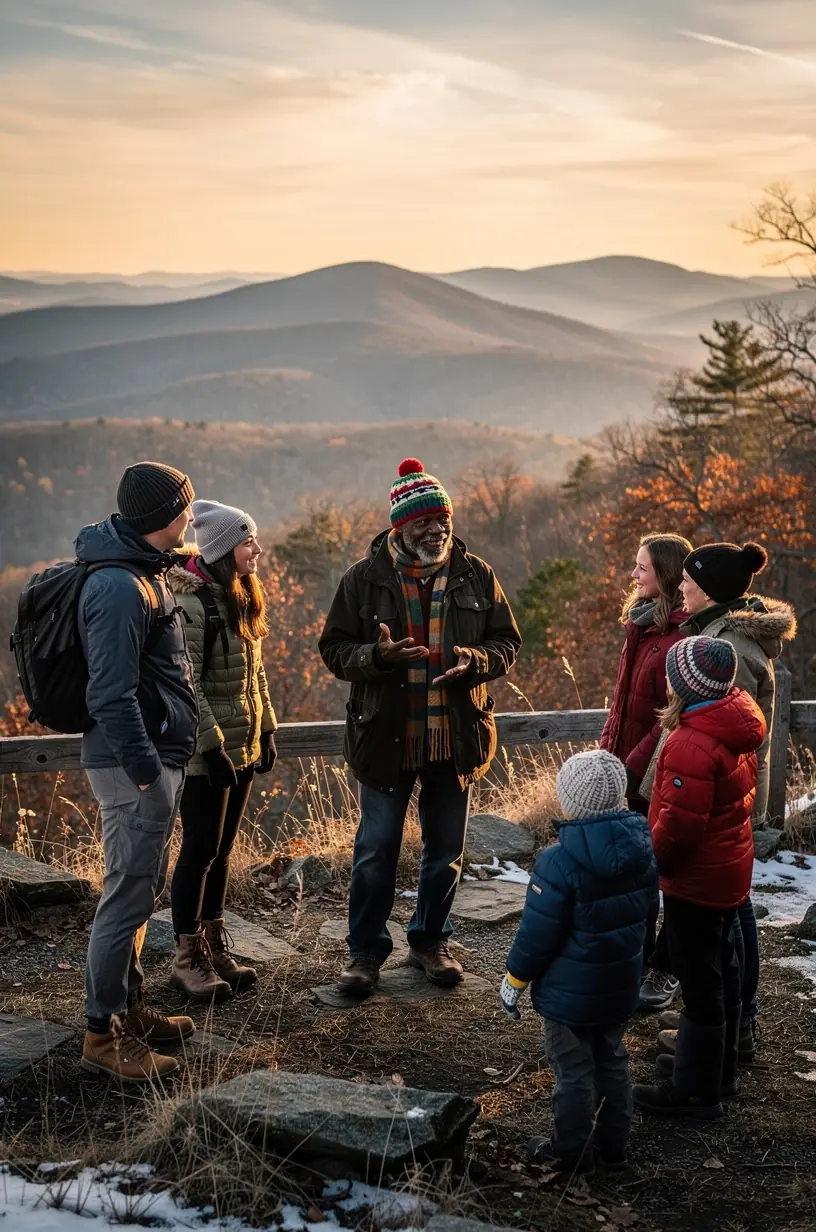
Building Community Through Local Storytelling Tours
In a rapidly globalizing world, local storytelling tours have emerged as a powerful means to connect communities, foster understanding, and enhance the local tourism experience. These tours not only showcase a city’s history and culture but also create lasting bonds between residents and visitors.
Understanding the Importance of Local Storytelling
Local storytelling is an ancient tradition that serves to preserve culture and history. According to cultural anthropologists, storytelling can provide insights into community values and collective experiences. This works because it allows individuals to see the world through the eyes of others, fostering empathy and understanding.
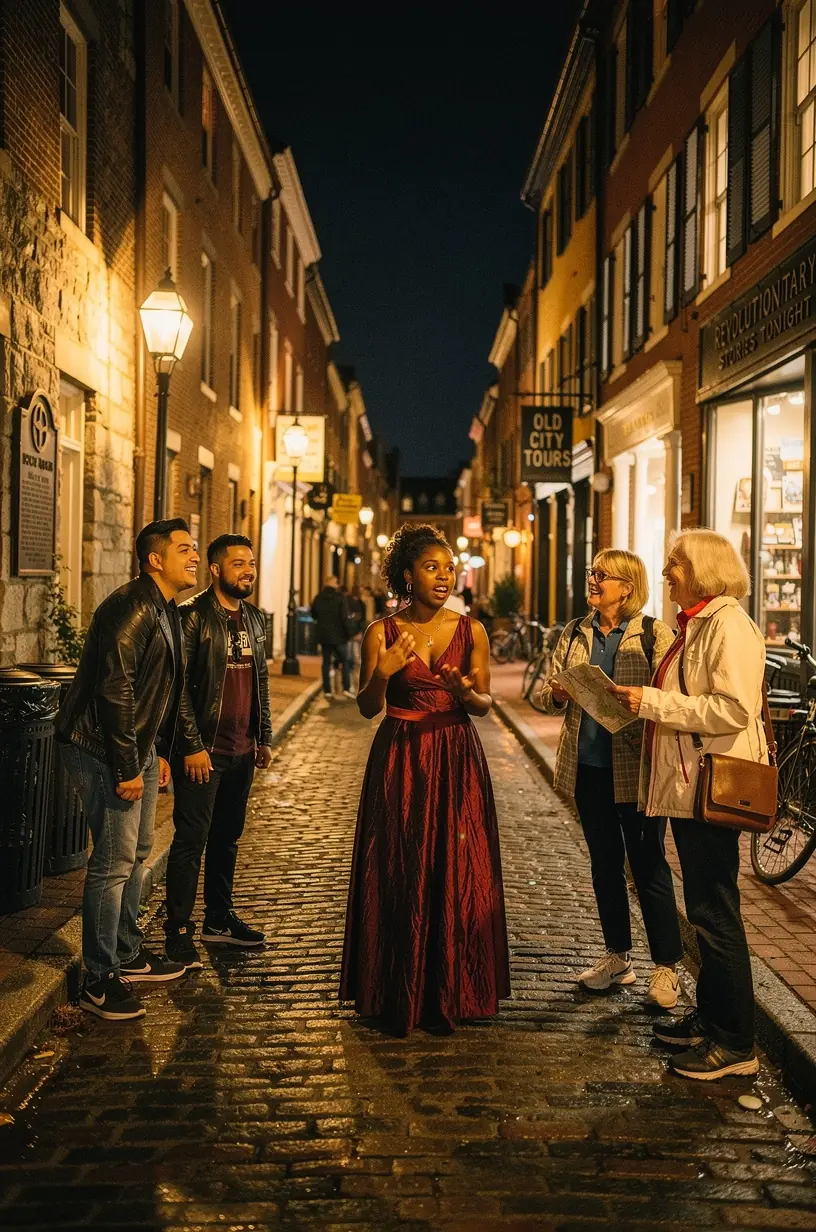
"Storytelling is the most powerful way to put ideas into the world today." – Robert McKee
Why Local Storytelling Tours Matter
Many residents often feel disconnected from their surroundings, especially in larger cities. Local storytelling tours can help bridge this gap. Research indicates that participation in community-oriented activities can increase social cohesion and shared identity. These tours typically feature:
- Authentic Narratives: Stories told by local guides often reflect the community’s struggles, triumphs, and everyday life, making the experience relatable.
- Increased Engagement: Participants are encouraged to engage with the environment, ask questions, and share their own stories, which fosters a deeper connection with the place.
- Support for Local Economies: Many tours partner with local businesses, creating a win-win situation that promotes economic growth while enriching the visitor experience.
How to Organize a Successful Local Storytelling Tour
Creating an effective local storytelling tour involves several key steps:
- Research and Development: Understand the historical and cultural context of the area. Experts recommend collaborating with local historians or cultural organizations to ensure accuracy.
- Engage Local Storytellers: Many users report that utilizing local storytellers enhances authenticity. This approach promotes local talent and preserves unique narratives.
- Iterate Based on Feedback: After each tour, collecting participant feedback can provide valuable insights. This may involve adjusting the narrative or even the route based on what resonates most with the audience.
Challenges and Considerations
While local storytelling tours offer many benefits, there are also challenges to consider. Organizing these tours typically requires significant time and effort, and it may not be ideal for communities that lack storytelling resources or expertise. Additionally, ensuring that stories are inclusive and represent diverse voices is essential for authenticity.
Conclusion
Local storytelling tours serve as more than just a means to explore a city; they can create a sense of belonging and community among participants. By focusing on narratives that reflect the values and experiences of local residents, these tours can foster connections that endure long after the tour concludes. As industry experts suggest, investing in community storytelling can lead to richer, more meaningful experiences for both locals and visitors alike.
Discover More