
The Role of Storytelling in Cultural Tours
Storytelling has long been an integral part of human culture, serving as a means to share knowledge, history, and experiences. In the context of cultural tours, storytelling not only enhances the experience but also creates a deeper connection between visitors and the places they explore. This article delves into how narrative-driven tour agencies leverage storytelling to enrich city experiences, drawing on expert insights and research.
Understanding the Basics of Storytelling in Tours
Storytelling in cultural tours is much more than a method of communication; it is a technique that helps visitors engage with a location on a personal level. According to research by the National Endowment for the Arts, narrative-driven experiences can significantly enhance comprehension and retention of information. This approach can make tours more memorable and impactful.
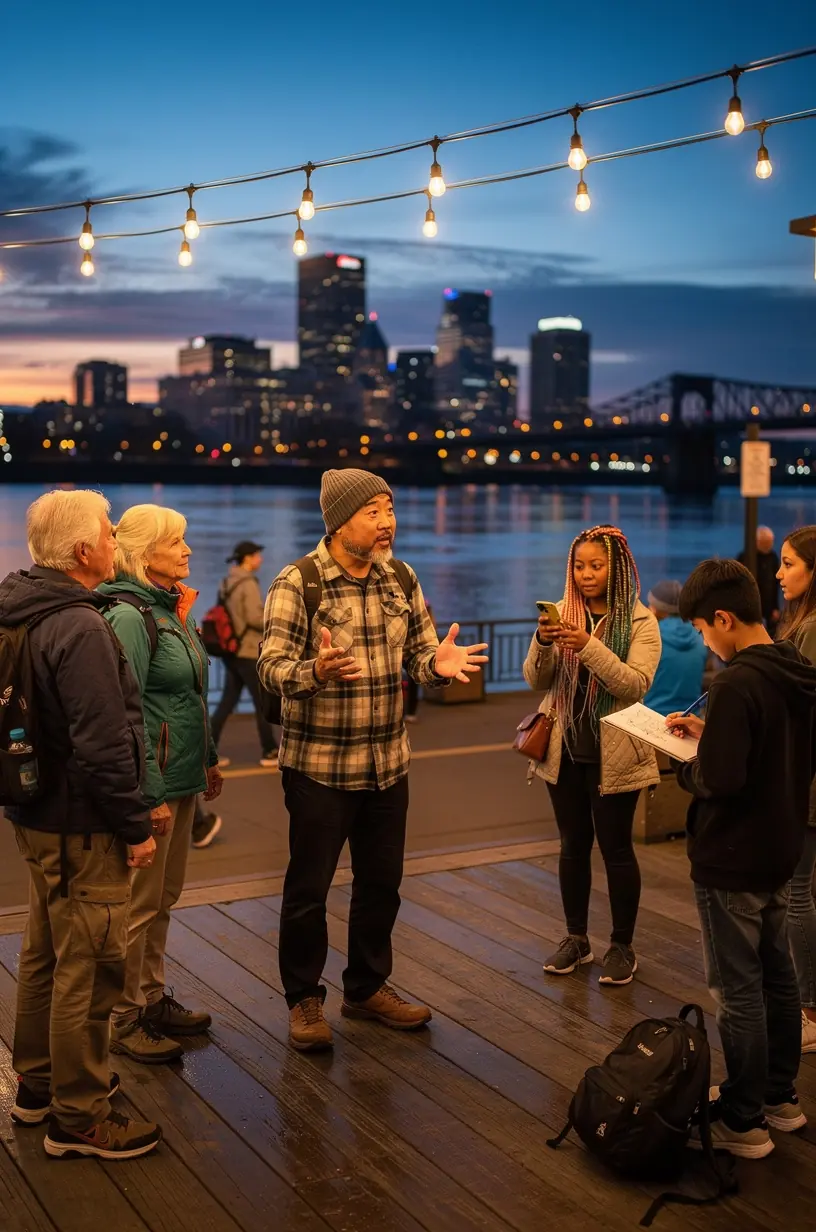
"Stories are the most powerful form of communication, enabling us to connect with our audience on an emotional level." - Industry Expert
The Benefits of Storytelling in Cultural Tours
Incorporating storytelling into cultural tours can yield several advantages:
- Engagement: Visitors are often more engaged when they hear a story rather than just receiving facts. Studies show that storytelling can increase engagement levels by up to 30% in educational contexts.
- Connection: Personal stories or local legends create a sense of connection to the culture, helping visitors feel more attuned to their surroundings. In most cases, this connection can enhance the overall experience.
- Retention: Narratives can improve retention of information. Research indicates that people remember stories far better than abstract concepts—a principle that includes cultural history and local traditions.
Implementing Storytelling in Tours
For tour agencies looking to implement storytelling, there are several key methodologies:
- Research and Authenticity: It is essential to gather accurate and compelling stories that reflect the culture and history of the area. This requires thorough research and, in some cases, interviews with locals to ensure authenticity.
- Crafting the Narrative: Developing a cohesive narrative that weaves together various elements of the city’s history, culture, and personal anecdotes can make for a rich experience. Experts recommend structuring stories with a clear beginning, middle, and end to maintain interest.
- Delivery Techniques: Effective storytelling involves more than just words. Tour guides can enhance their delivery through body language, vocal variety, and the strategic use of pauses to evoke emotions. Training in these techniques can significantly improve the overall impact.
Challenges and Considerations
While storytelling can elevate cultural tours, there are challenges to consider:
- Time Commitment: Crafting and refining narratives typically takes several weeks, depending on the complexity of the stories and the amount of research required.
- Learning Curve: Tour guides may need training to master storytelling techniques, which involves practice and dedication to develop their skills.
- Audience Variability: Not every story will resonate with every audience; therefore, guides should be prepared to adapt their narratives based on the group’s interests and backgrounds.
Conclusion
Incorporating storytelling into cultural tours is a proven approach that can significantly enhance visitor experiences. By creating engaging narratives that connect people to places, tour agencies can foster deeper understanding and appreciation of local cultures. While challenges exist, the potential benefits make storytelling a valuable tool in the tourism industry. As the demand for unique, immersive experiences continues to grow, those who embrace narrative-driven tours may find themselves at a distinct advantage in the competitive market.
Discover More