Exploring Historical Narratives in City Tours
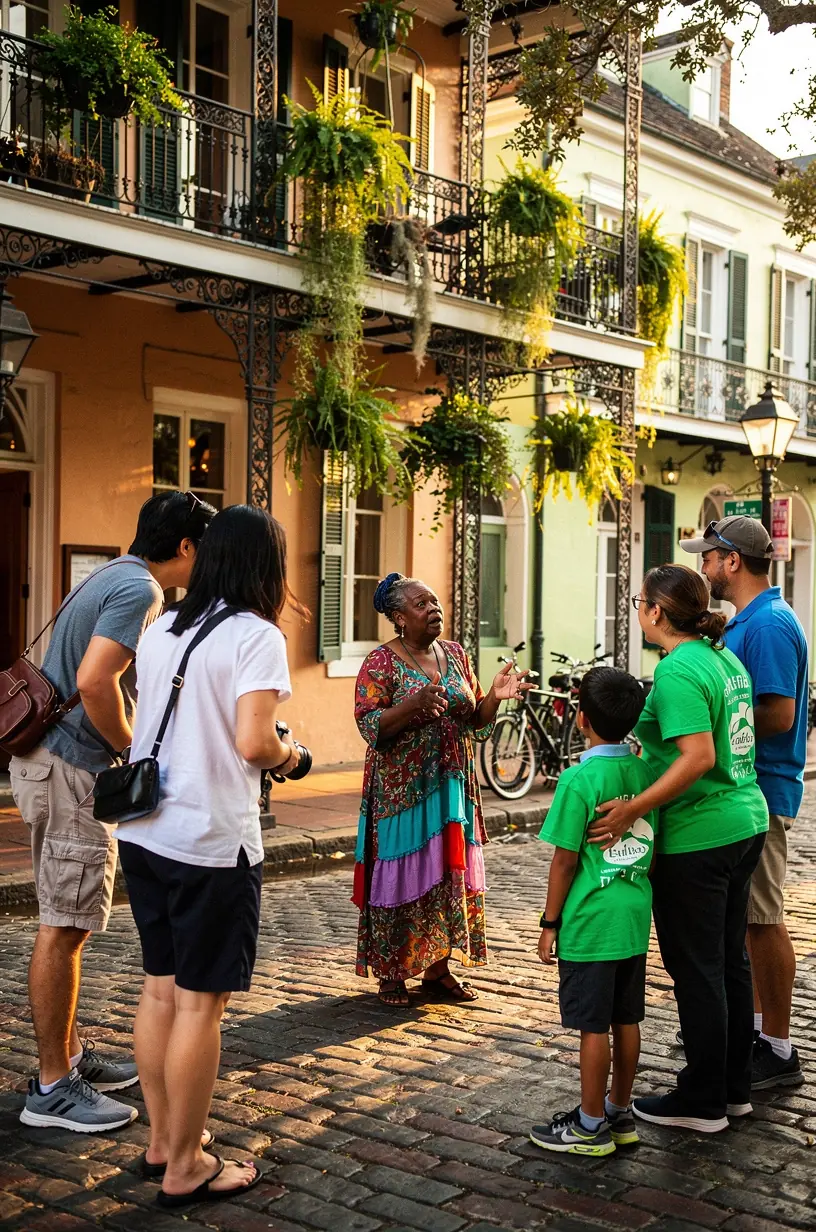
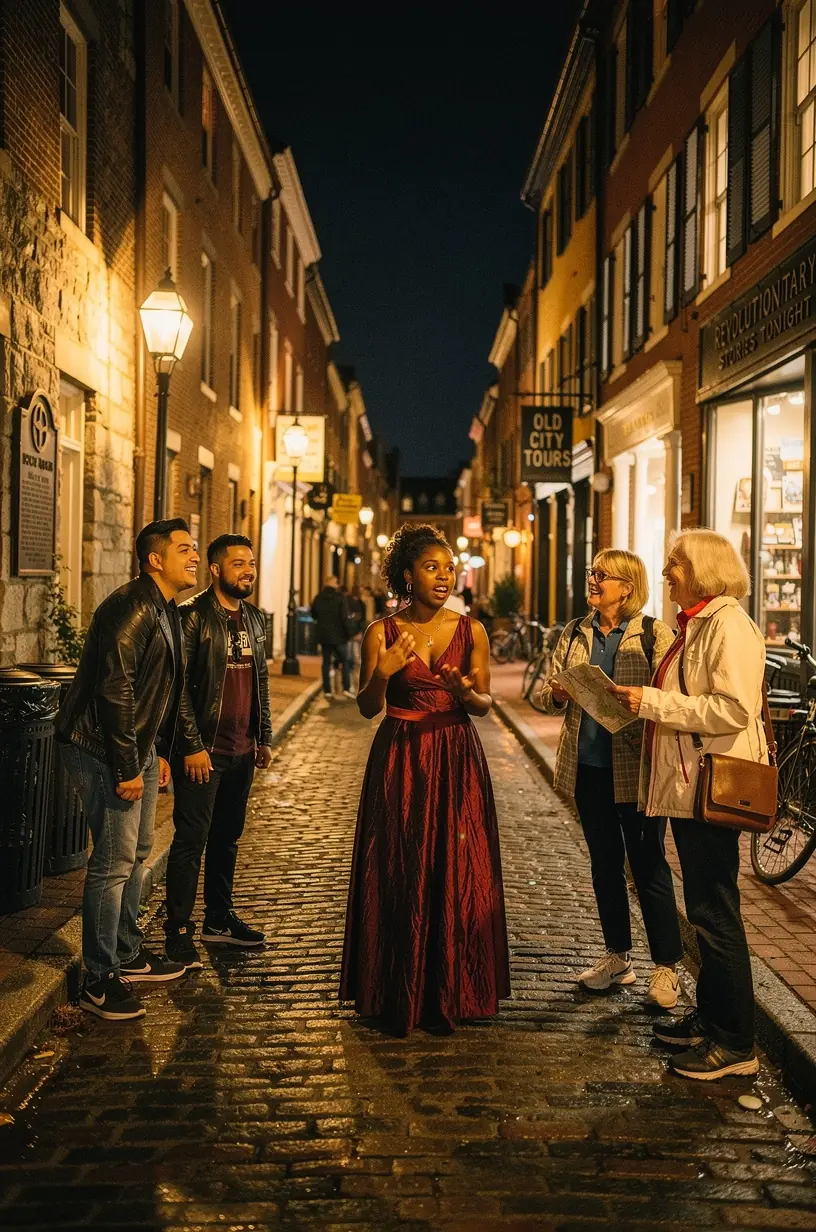
City tours have evolved from simple sightseeing experiences into rich explorations of historical narratives. By engaging with the stories behind our urban landscapes, travelers can connect with the past in meaningful ways. This article explores how local storytelling tour agencies are enhancing city tours through narrative-driven experiences.
Understanding the Power of Historical Narratives
Incorporating historical narratives into city tours can significantly enhance the overall experience for participants. According to research conducted by the American Historical Association, storytelling has been shown to improve retention of historical facts by up to 40% when compared to traditional lecture methods. This works because narratives help contextualize information, allowing tourists to form emotional connections with the history they are learning about.

"Storytelling transforms information into personal experiences, making history not just something we learn about, but something we live in."
How Local Storytelling Agencies Craft Experiences
Local storytelling tour agencies often employ trained guides who specialize in weaving narratives that resonate with a range of audiences. This typically involves:
- Researching Local Histories: Guides delve into the unique histories of neighborhoods, landmarks, and communities, ensuring accuracy and engagement.
- Crafting Compelling Narratives: These stories are structured to include human elements—such as personal anecdotes and historical figures—which can captivate audiences.
- Incorporating Interaction: Many tours encourage audience participation, which not only makes the experience more engaging but also creates a deeper connection to the material.
Benefits of Narrative-Driven Tours
Participating in narrative-driven city tours can offer various advantages:
- Enhanced Understanding: Participants typically leave with a richer understanding of the city’s history, often seeing familiar places from a new perspective.
- Community Engagement: These tours often promote local businesses and highlight community stories, fostering a sense of connection and pride among residents.
- Memorable Experiences: Engaging narratives create lasting memories, with many users reporting that they remember specific details from the stories long after the tour has ended.
Challenges and Considerations
While narrative-driven tours have many benefits, there are some challenges to consider:
- Time Commitment: A typical tour may last anywhere from 1.5 to 3 hours, which can be a considerable time commitment for some travelers.
- Guide Expertise: Not all guides have the same level of storytelling skill; thus, the quality of the experience can vary widely between agencies.
- Cultural Sensitivity: It's crucial that stories are told respectfully, especially those relating to marginalized communities or sensitive historical events.
Conclusion
In conclusion, exploring historical narratives in city tours provides an enriching experience that goes beyond observation. Local storytelling tour agencies play a vital role in enhancing our understanding of urban history through engaging narratives. By choosing to participate in these tours, travelers can gain a deeper appreciation of the cities they visit, while also supporting local communities and preserving history. If you’re considering a city tour, seek out agencies that prioritize narrative-driven experiences for a truly memorable journey.