The Benefits of Experiential Learning in Travel
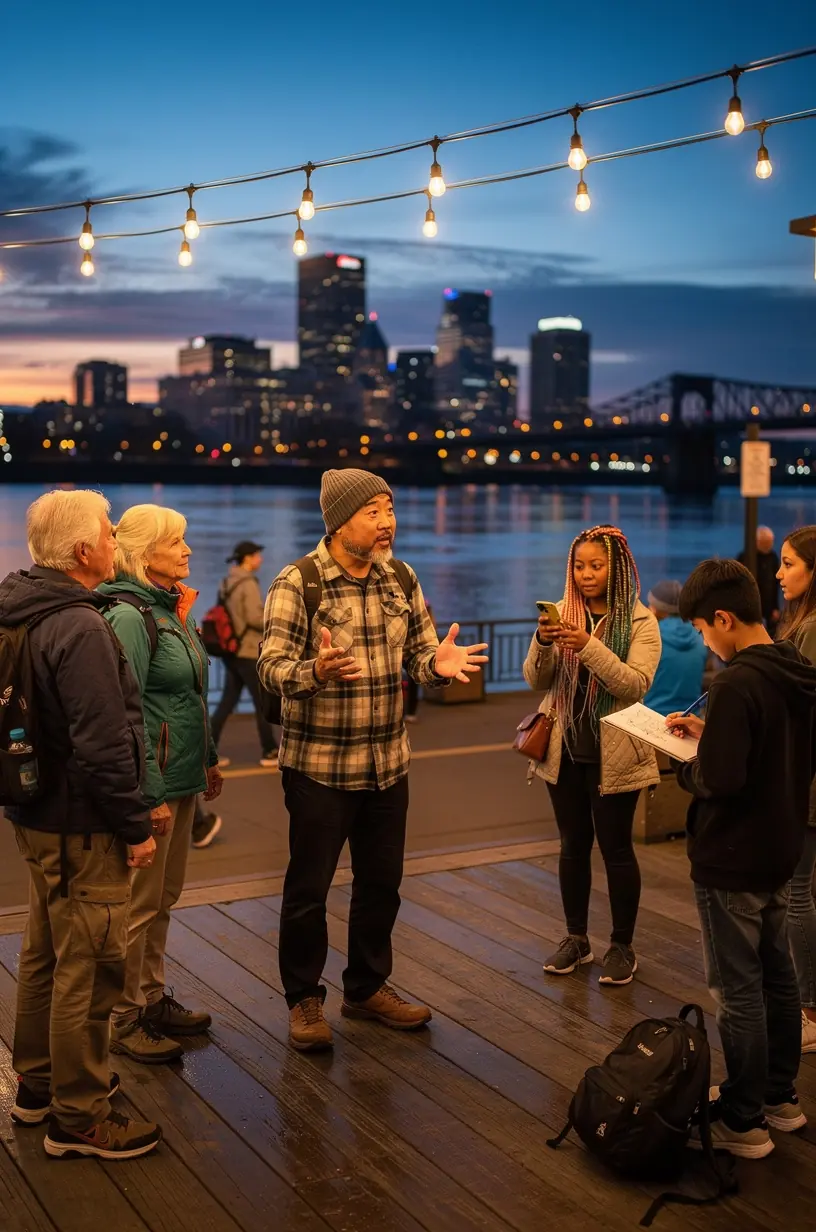
Experiential learning has become increasingly recognized as a valuable approach in travel, particularly through narrative-driven city experiences. By immersing oneself in local stories and cultures, travelers can gain deeper insights and knowledge. This article explores the benefits of experiential learning in travel and how it enhances understanding and retention.
Understanding Experiential Learning
Experiential learning is a process through which individuals gain knowledge and skills by engaging in experiences rather than through traditional instructional methods. This approach is often characterized by hands-on activities, opportunities for reflection, and the application of concepts learned in real-world contexts. According to research by the National Training Laboratories, individuals retain approximately 75% of what they learn through active involvement compared to only 5% through lectures.
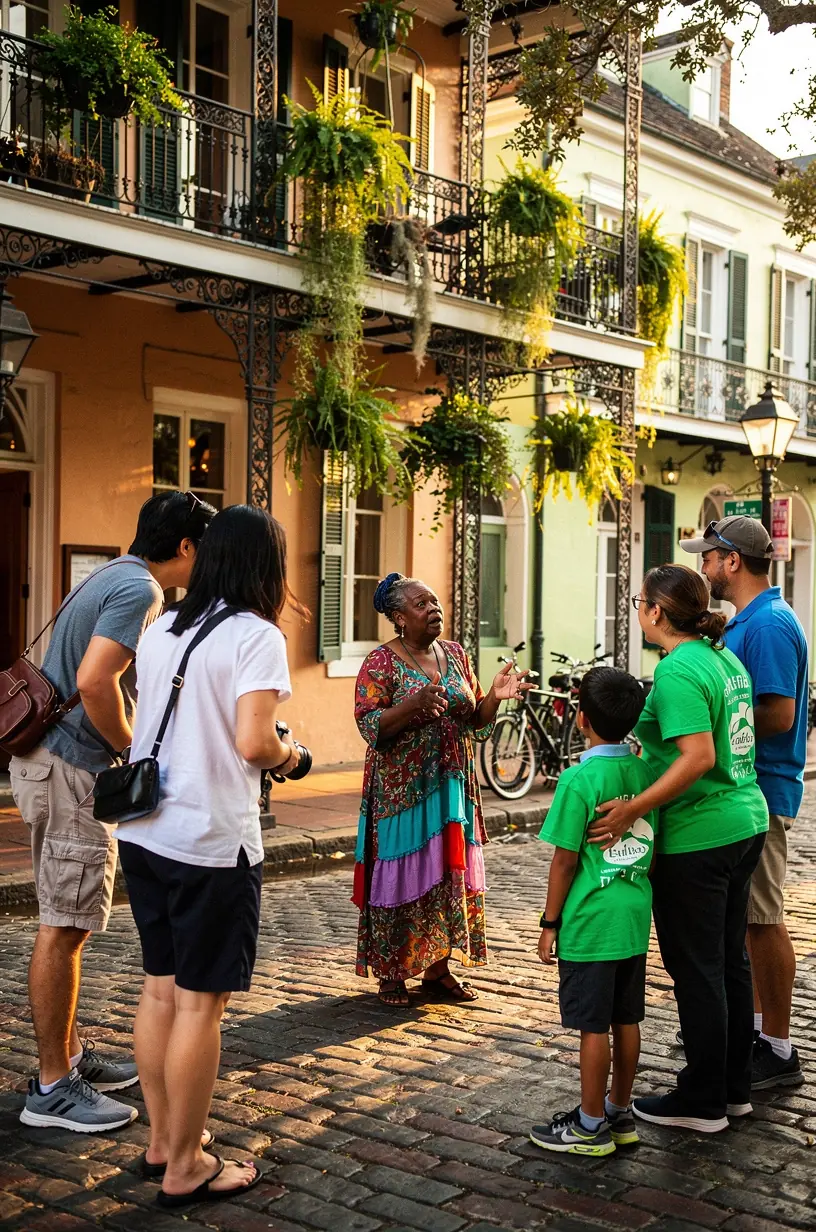
"Experiential learning provides opportunities for deeper engagement and understanding, making lessons more memorable." - Research from the Association for Experiential Education
Why Experiential Learning Matters in Travel
Traveling offers a unique environment for experiential learning. Here are some key reasons why this approach is effective:
- Enhanced Engagement: Participating in local storytelling tours allows travelers to connect emotionally with the place, fostering a more profound appreciation and understanding of its history and culture.
- Real-World Application: Experiential learning typically involves applying knowledge in actual situations. Travelers can experiment with language, customs, and local practices, making their learning more relevant.
- Improved Retention: Individuals often remember experiences better than facts. Engaging with a city through its stories increases the likelihood that travelers will retain what they learned about its culture and history.
How to Maximize Experiential Learning While Traveling
To fully benefit from experiential learning in travel, consider the following strategies:
- Choose Narrative-Driven Tours: Seek out local agencies that offer storytelling tours. These tours often incorporate personal anecdotes and cultural narratives, providing context that enriches the experience.
- Engage with Locals: Interacting with residents can provide firsthand insights into the community's values and traditions. Look for opportunities to participate in local events or workshops.
- Reflect on Your Experiences: Take time to reflect on what you've learned after each experience. This could involve journaling or discussing your insights with travel companions, reinforcing your understanding.
Acknowledging Limitations
While experiential learning can significantly enhance travel experiences, it is important to acknowledge its limitations. Engaging deeply with local culture may require a time commitment, often taking days or even weeks to gain meaningful insights. Additionally, travelers must be open-minded and willing to adapt to new environments, which can involve a learning curve in terms of cultural sensitivity and local customs.
Conclusion
Experiential learning in travel offers numerous benefits, including enhanced engagement, improved retention, and real-world application. By choosing narrative-driven tours and actively engaging with locals, travelers can transform their experiences into profound educational journeys. As they reflect on their adventures, they not only deepen their understanding of the places they visit but also create lasting memories that enrich their lives.
Discover More