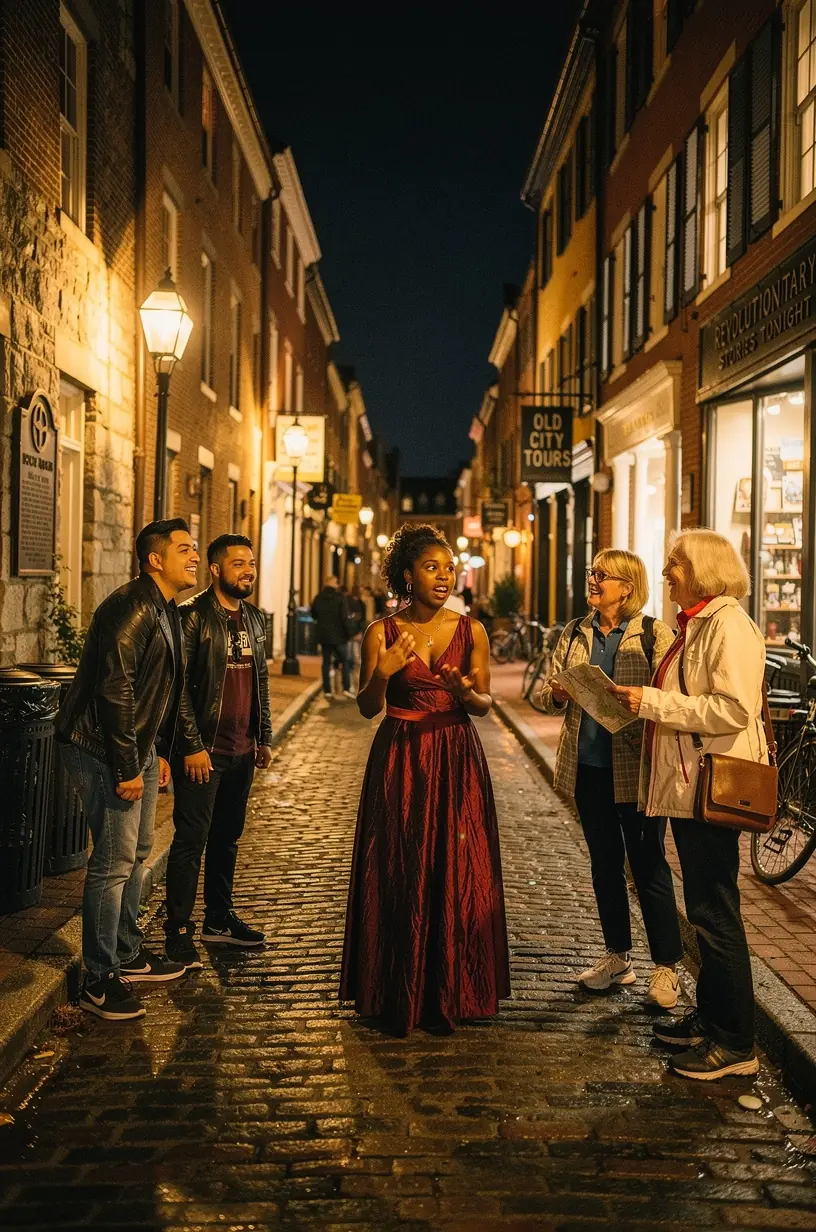
How to Craft a Compelling Tour Narrative
Creating a captivating tour narrative is essential for engaging participants and ensuring they leave with memorable experiences. This article explores effective strategies for crafting narratives that resonate with audiences.
Understanding the Basics of Tour Narratives
Tour narratives are essential for enhancing the overall experience of a city tour. According to research conducted by the National Tour Association, a strong narrative can significantly improve participant satisfaction. A compelling story helps contextually frame the sites being visited, enriching the emotional connection travelers have with their surroundings.

Experts recommend that when developing a tour narrative, you should focus on the following elements:
- Historical context: Integrate local history to provide depth and significance.
- Personal anecdotes: Share stories that relate to the audience, which help in creating a personal connection.
- Visual cues: Use landmarks, art, and architecture to enhance the narrative visually.
"A well-crafted narrative not only informs but also inspires—transforming a simple tour into an unforgettable journey." - Tour Guide Expert
How to Develop Your Tour Narrative
Creating a compelling tour narrative involves several key steps:
- Research: Gather insights about the locations you will visit. This may include local myths, historical milestones, or cultural significance. Studies show that tours that incorporate local lore can enhance visitor engagement.
- Structure your story: A well-structured narrative typically includes a beginning, middle, and end. Introduce the journey, build anticipation during the tour, and conclude with a reflective moment that leaves the audience contemplating.
- Practice delivery: Effective storytelling is as much about how you tell the story as it is about what you say. Practicing your delivery can refine your pacing, tone, and emotional engagement, which can significantly impact audience retention.
Challenges to Consider
While crafting a compelling narrative can enhance the tour experience, there are certain limitations to keep in mind:
- Time commitment: Developing a strong narrative typically takes several weeks of research and practice. It's essential to set realistic timelines for both preparation and delivery.
- Learning curve: New tour guides may need time to develop their storytelling skills effectively. This process often requires dedication and rehearsal.
- Adaptability: Narratives may need to be adjusted based on audience demographic and interests. What works for one group may not resonate with another.
Conclusion
Crafting an engaging tour narrative is a skill that can greatly enhance the effectiveness of local storytelling tour agencies. By following the outlined steps, acknowledging the challenges, and investing time in preparation, you can create memorable experiences for your participants. This approach not only fosters a deeper connection to the city but also establishes your reputation as a reliable and professional tour guide.
In the end, remember that the journey of storytelling in tours is an evolving process. Continuous feedback and personal growth can help refine your narratives over time, ensuring they resonate with each new audience you encounter.
Discover More